
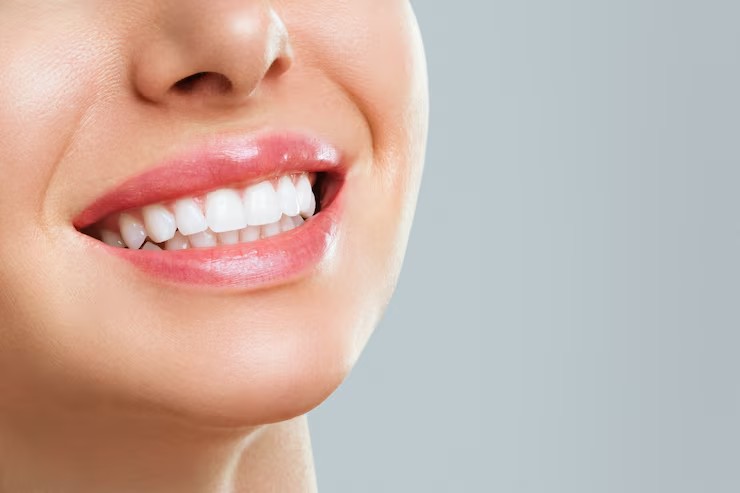
Teeth whitening is usually safe when the right products are used properly and under a dentist’s guidance. Some people may have sensitive teeth or sore gums for a short time, especially if they use strong products or whiten too often. The results depend on your dental health and the whitening method. With professional teeth whitening in Stouffville, a dentist can assess your teeth and recommend a suitable treatment to make them look whiter.
Before whitening, the dentist checks for cavities, gum problems, cracked teeth, and worn enamel. Whitening may not work the same for everyone. It also does not change the colour of crowns, veneers, fillings, or dentures. A dental check helps decide if whitening is right for you and which option to use.
How Does Teeth Whitening Work?
Teeth whitening uses bleaching ingredients, usually hydrogen peroxide or carbamide peroxide, to break down stains in the tooth. These ingredients can lighten stains caused by coffee, tea, red wine, tobacco, and natural ageing.
Whitening may help with:
- Surface stains from dark-coloured food and drinks.
- Yellowing linked to ageing.
- Some stains that have settled deeper into the tooth.
However, not all stains respond equally. Grey or brown stains caused by certain medicines, tooth injury, or changes inside the tooth may need a different approach.
What Can Affect the Safety of Teeth Whitening?
Whitening is not suitable for every mouth. Certain dental problems can make treatment uncomfortable or increase the chance of irritation.
A dental check is especially important if there is:
- Tooth decay: Whitening products can cause discomfort when they reach decayed areas.
- Gum disease: Irritated or swollen gums may become more sensitive to whitening ingredients.
- Cracked or worn teeth: Open areas may allow whitening ingredients to reach sensitive parts of the tooth.
- Exposed roots: Roots lack the protective enamel of the visible part of the tooth and may become sensitive.
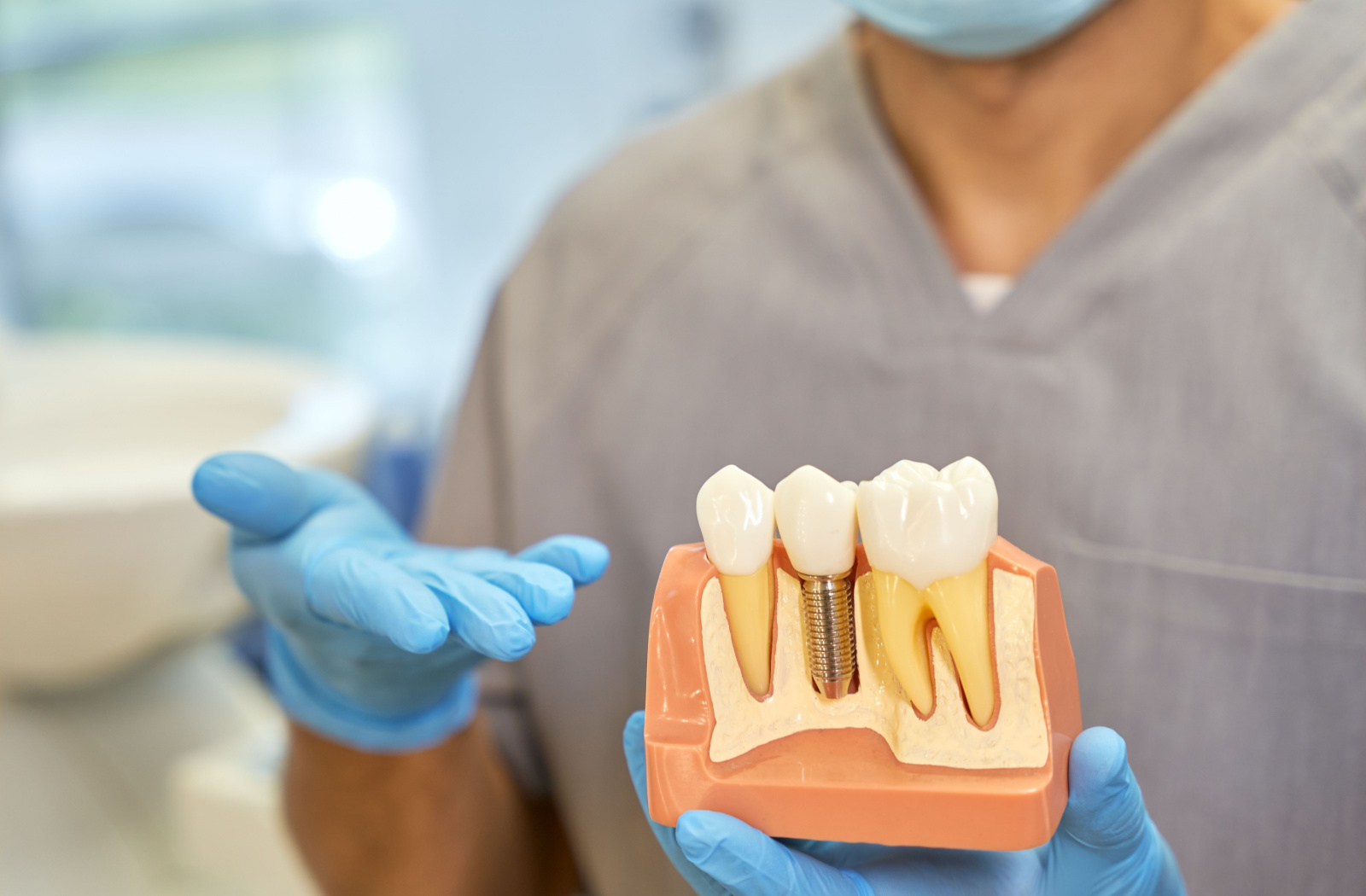
- Existing dental work: Crowns, veneers, fillings, and bridges do not whiten like natural teeth, which can leave uneven colour.
A dentist in Stouffville can examine these concerns before recommending treatment.
What Are the Possible Side Effects?
The most common side effects are temporary tooth sensitivity and gum irritation. Sensitivity may occur when whitening ingredients reach the inner part of the tooth through the enamel. It often settles after treatment stops or the whitening schedule is adjusted.
Possible side effects include:
- Sensitivity to cold drinks, hot food, or air.
- Mild gum soreness if the whitening gel touches the gums.
- Uneven colour if natural teeth and dental restorations respond differently.
- Irritation from using whitening products too often or leaving them on longer than directed.
Strong pain, ongoing gum irritation, or sensitivity that does not improve should be checked by a dental professional. Using more gel or whitening more frequently does not make the results safer or better.
Which Teeth Whitening Option Is Safer?
The safest choice depends on dental health, the type of stains, and the product being used.
- Professional whitening: Treatment is planned after an assessment of the teeth and gums. The dentist can select a suitable strength and provide instructions to help limit irritation.
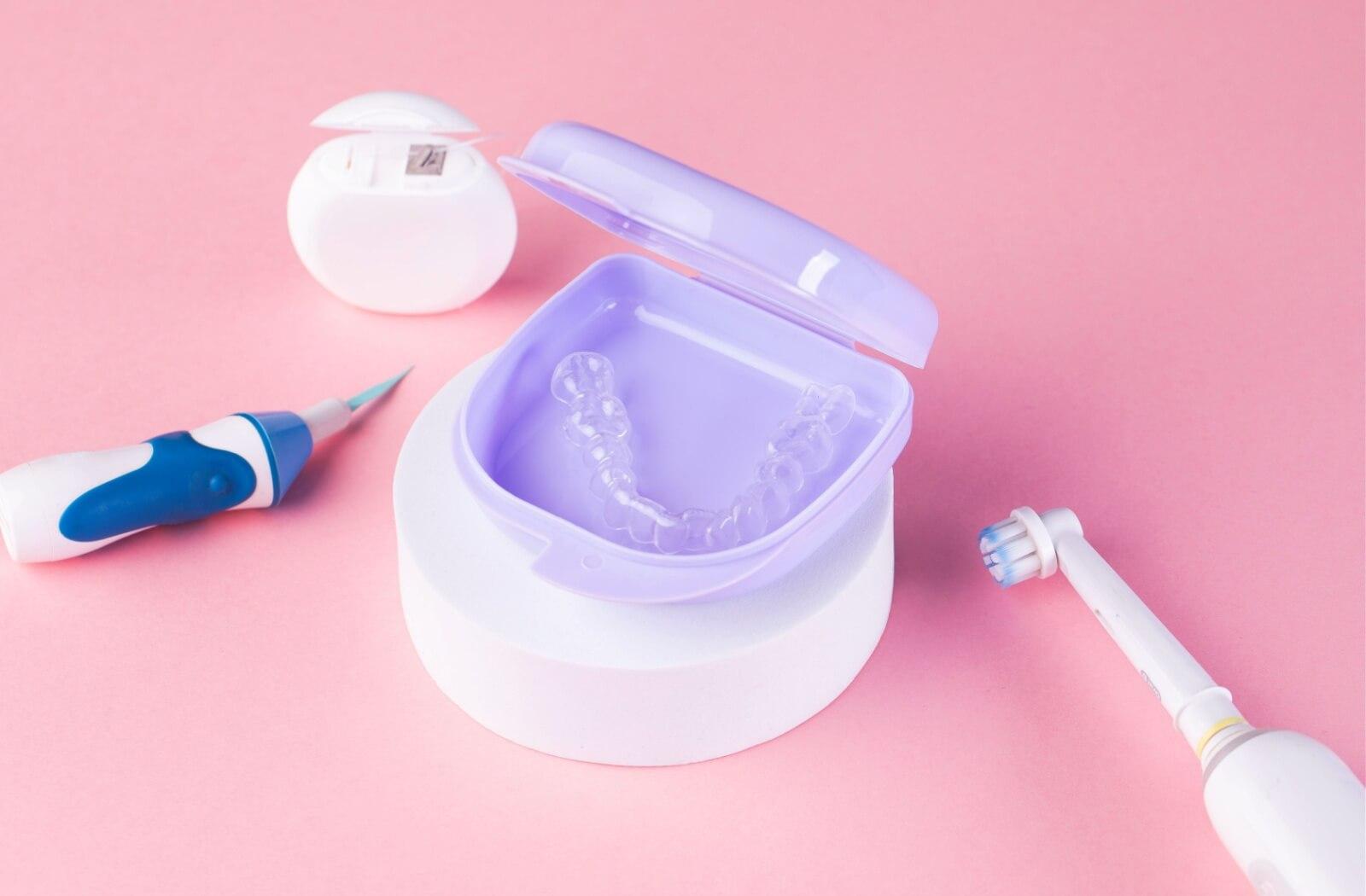
- Custom take-home trays: These trays are made to fit the teeth and hold the whitening gel in place. They allow gradual whitening at home under dental guidance.
- Store-bought whitening products: Whitening strips, gels, and toothpastes may help with certain stains. However, they must be used exactly as directed. Poorly fitting products or excessive use may irritate the gums or increase sensitivity.
A dentist near you can explain the differences and help you choose an option based on your dental condition.
How Can You Keep Teeth Whitening Safe?
A few simple steps can reduce the risk of side effects:
- Have cavities and gum problems checked before whitening.
- Follow the product instructions and the dentist’s advice.
- Avoid using more gel than recommended.
- Do not leave whitening products on longer than directed.
- Take a break if sensitivity develops.
- Avoid combining several whitening products without dental advice.
- Keep up with regular brushing, flossing, and dental checkups.
Whitening should be done gradually and carefully rather than repeated too often.
Give Your Smile a Brighter Look with the Right Care
Teeth whitening can help remove stains and make your smile look brighter, but choosing the right treatment is important for protecting your teeth and gums. A dental checkup can help identify any problems that should be treated first and determine which whitening option may suit your needs. With the right advice, you can work towards a brighter smile while keeping your comfort and oral health in mind. Contact Shin Dentistry to book your appointment and discuss your whitening goals, and take the next step towards a healthier-looking smile.
FAQs
Can teeth whitening damage enamel?
Whitening products are generally safe for healthy enamel when used correctly. However, using them too often or incorrectly can cause tooth sensitivity and gum irritation. Always follow your dentist’s advice and avoid overusing whitening products.
Is professional teeth whitening safer than home whitening?
Professional treatment allows the teeth and gums to be checked before whitening. The dentist can also guide product strength and use. Some home products are suitable when used correctly, but they may not meet everyone’s needs.
Can sensitive teeth be whitened safely?
Sometimes. The cause of sensitivity should be checked first. A dentist may recommend treating the problem, using a lower-strength product, or avoiding whitening if it is not suitable.
How long do teeth whitening results last?
It depends on what you eat and drink, whether you use tobacco, how well you clean your teeth, and your natural tooth colour. Stains may come back over time. Your dentist may suggest touch-ups when needed.